Charity Control Centre
Bringing all the complexity of operations a charity into a single, easy to use system
The Problem
Good People, Scattered Systems
Charities are interesting because, when you get down to the nuts and bolts, they operate much like any other organisation.
They take payments, manage staff, run operations, spend money, maintain websites, send newsletters, communicate with supporters, track projects and need accurate accounting. The difference is that charities are usually started from a drive to create change in the world, not a drive to create efficient business systems.
That means systems and processes often grow in the background, as a necessary byproduct rather than a main focus. Donations come through one platform, project information lives in spreadsheets, supporter communications sit in MailChimp, and accounting is handled in Xero.
Before long, staff are spending their valuable time manually moving information between systems, reconciling payments, updating spreadsheets and trying to work out which donation belongs to which project, campaign or supporter.
For charities with limited time, staff and funding, that creates a disproportionate amount of administration. Time that could be spent on the organisation's actual mission instead gets spent keeping disconnected systems in sync.
Our Solution
Custom Systems to Suit Your Charity
Our solution is to build custom systems around the way each charity actually operates.
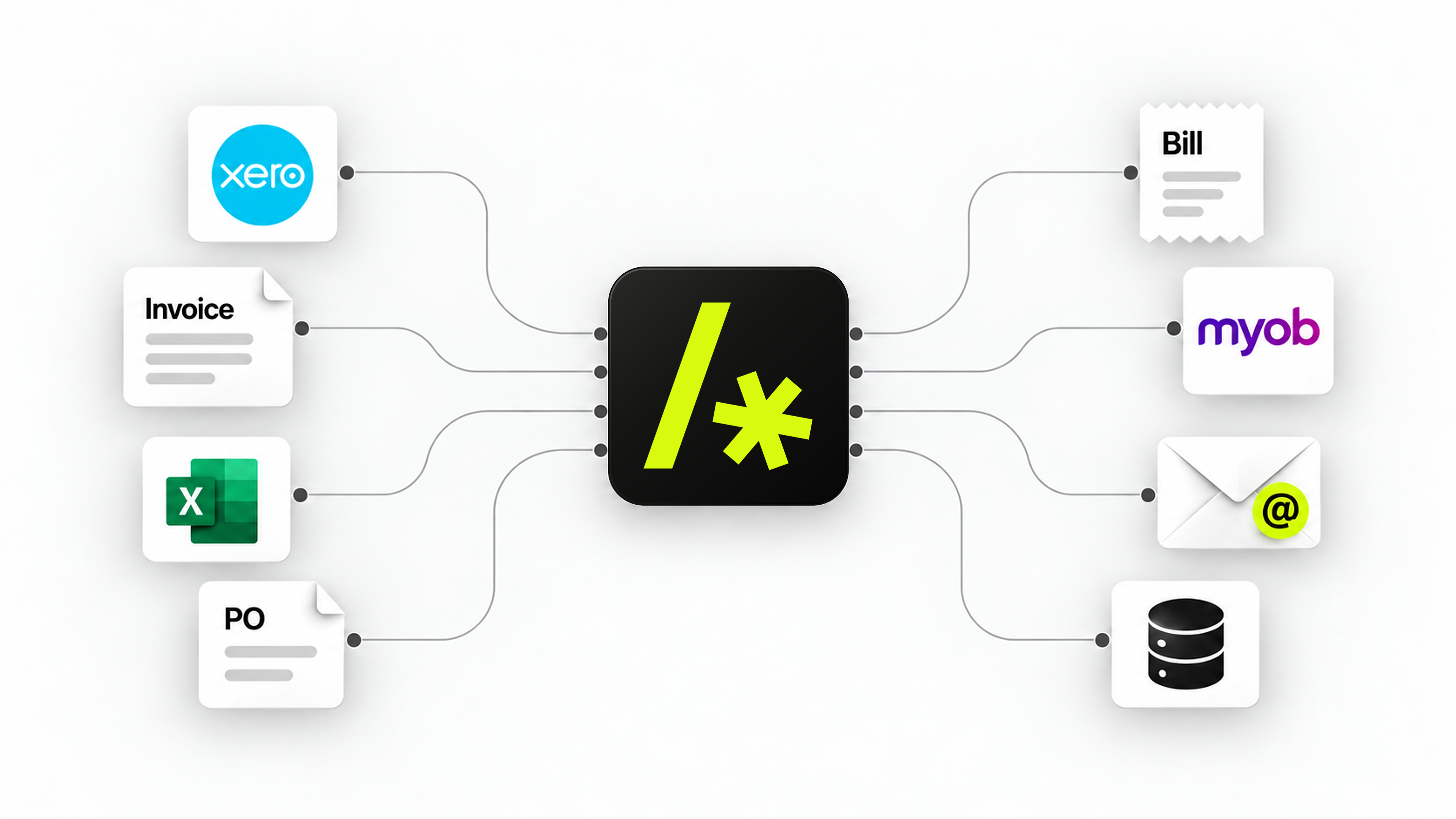
Rather than forcing a charity to stitch together a collection of generic tools, we build software that connects the important parts of the organisation into one clear platform. That can include managing day-to-day operations, taking payments and donations, allocating incoming funds against specific projects or campaigns, integrating directly with accounting platforms, and managing communications with donors, supporters and other stakeholders.
We also build custom payment processing integrations that reduce reliance on high-fee donation platforms. For charities processing significant donation volumes, even a relatively small reduction in transaction fees can add up to a substantial amount of money over time - leaving more of every donation available for the work it was intended to support.
Because every charity operates differently, the systems we build are designed around the organisation’s existing processes, data and reporting requirements. The goal is not to replace everything for the sake of it, but to connect or replace the parts that are creating unnecessary administration or unnecessary cost.
The result is a system that gives the charity a clearer view of what is happening across the organisation, reduces manual handling, lowers avoidable fees, and makes it easier for staff to manage payments, projects, communications and reporting in one place.
Most importantly, it means less time and money spent keeping disconnected systems running, and more resources available for the work the organisation actually exists to do.
How We Work
Step 1: Audit & Structural Discovery
We start by understanding how the charity operates today and where the biggest administrative bottlenecks are.
That means looking at how donations and payments are received, how funds are allocated to projects or campaigns, how accounting is handled, how supporters are managed, what systems are already in place, and where staff are manually moving information between them.
This step helps us identify where the greatest opportunities are to reduce administration, lower costs and improve visibility across the organisation.
From there, we map out which systems should stay, which should be connected, which may be worth replacing, and what a custom solution should look like.
Step 2: Custom Architecture & Automation Build
Once we understand the organisation and its processes, we design and build the system around the charity’s actual requirements.
That can include custom payment and donation processing, project and fund allocation, accounting integrations, supporter and communication management, internal operational workflows, reporting, and integrations with the other platforms the charity already relies on.
Where payment processing is involved, we also look for opportunities to reduce transaction and platform fees by integrating directly with suitable payment providers rather than relying on expensive intermediary platforms.
Throughout the build, we work with real data and real-world scenarios so the system reflects how the charity actually operates, including the exceptions and edge cases that generic software often struggles to handle.
Step 3: Deployment, Validation & Handover
Before anything goes live, we thoroughly test the system against the charity’s existing processes and make sure payments, integrations, allocations, reporting and automations are all working as expected.
We then deploy the system into the organisation’s environment, help staff transition to the new process, and provide the documentation and handover required for ongoing use.
The goal is to leave the charity with a system that is simple for staff to use, reduces unnecessary administration and costs, and can continue to evolve as the organisation grows and its needs change.