Business Control Centre
One system to rule them all - complete oversight of your business in a single place
The Problem
Scattered Systems and Wasted Time
As your business grows, you inevitably find yourself in the same situation that every business owner finds themselves in - adding system after system to accommodate all the needs of the business.
You started with a single Xero subscription and a spreadsheet to manage your leads. When you added a team member to your business, your local spreadsheet stopped working as well as it used to, so you moved to Trello. That worked reasonably well, but quickly became hard to manage, so you moved to HubSpot. You then added MailChimp for your mailing list, SharePoint for your files, Zapier for your automations, HumanForce for your rostering, Cin7 for your stock management and Shopify for your online store. Oh, and let’s not forget your task management system that you use to hold everything together.
All the sudden, what started as 1 system has become 8, and it’s becoming harder and harder to keep them all in sync and make sure they’re all working. That’s not to mention the licensing costs involved with all these systems.
Our Solution
Simplify, Consolidate, Streamline
Our philosophy is simple:
Less systems is better than more systems
Your systems should fit your unique business
Building custom systems is what allows us to come alongside your business and achieve these two points.
While these control centres take many final forms depending on what business we are servicing, here are a few common features that we build for customers:
Central CRM
Project / Task Management
Time Logs
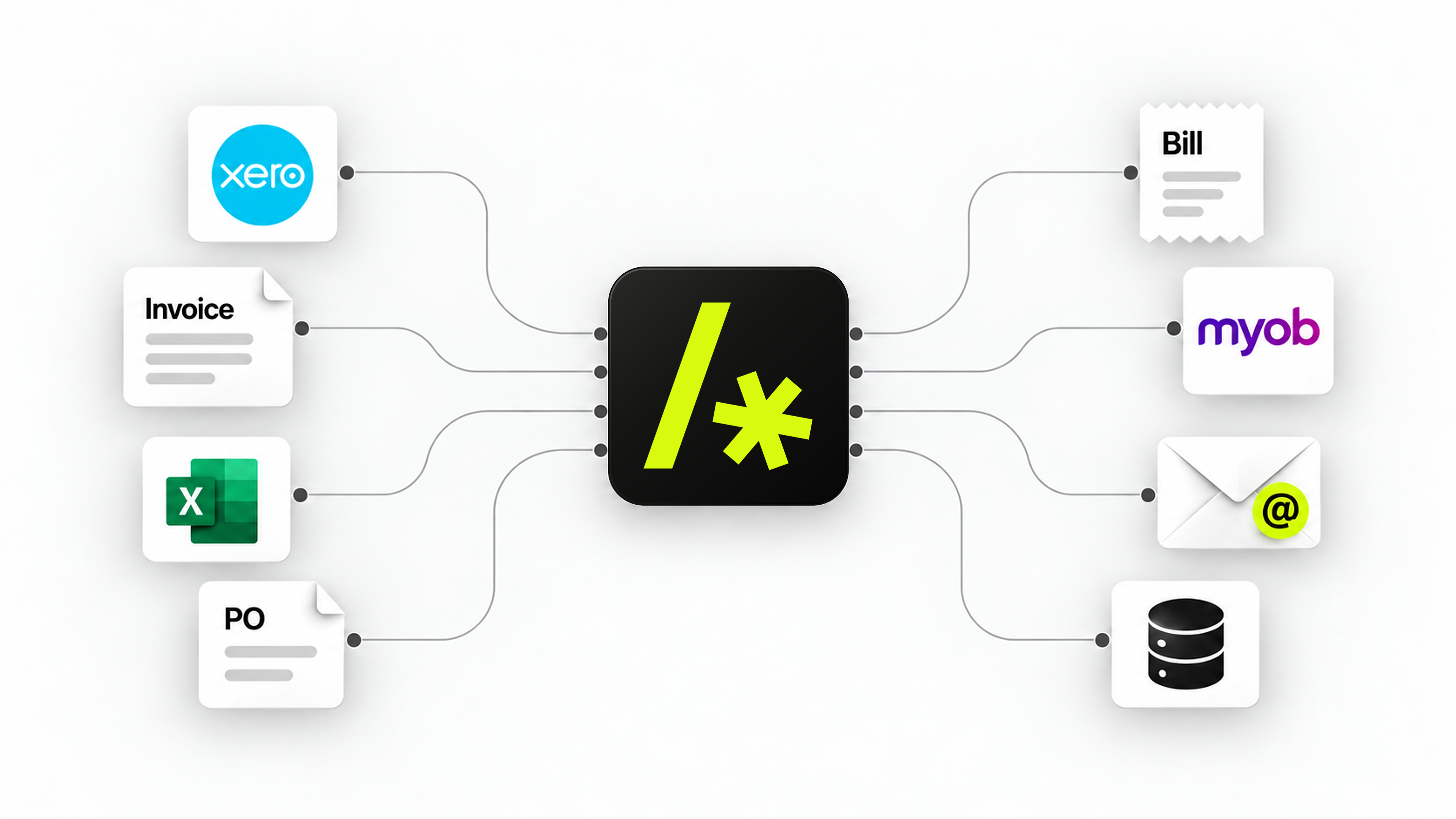
Automated Billing
Meeting Management
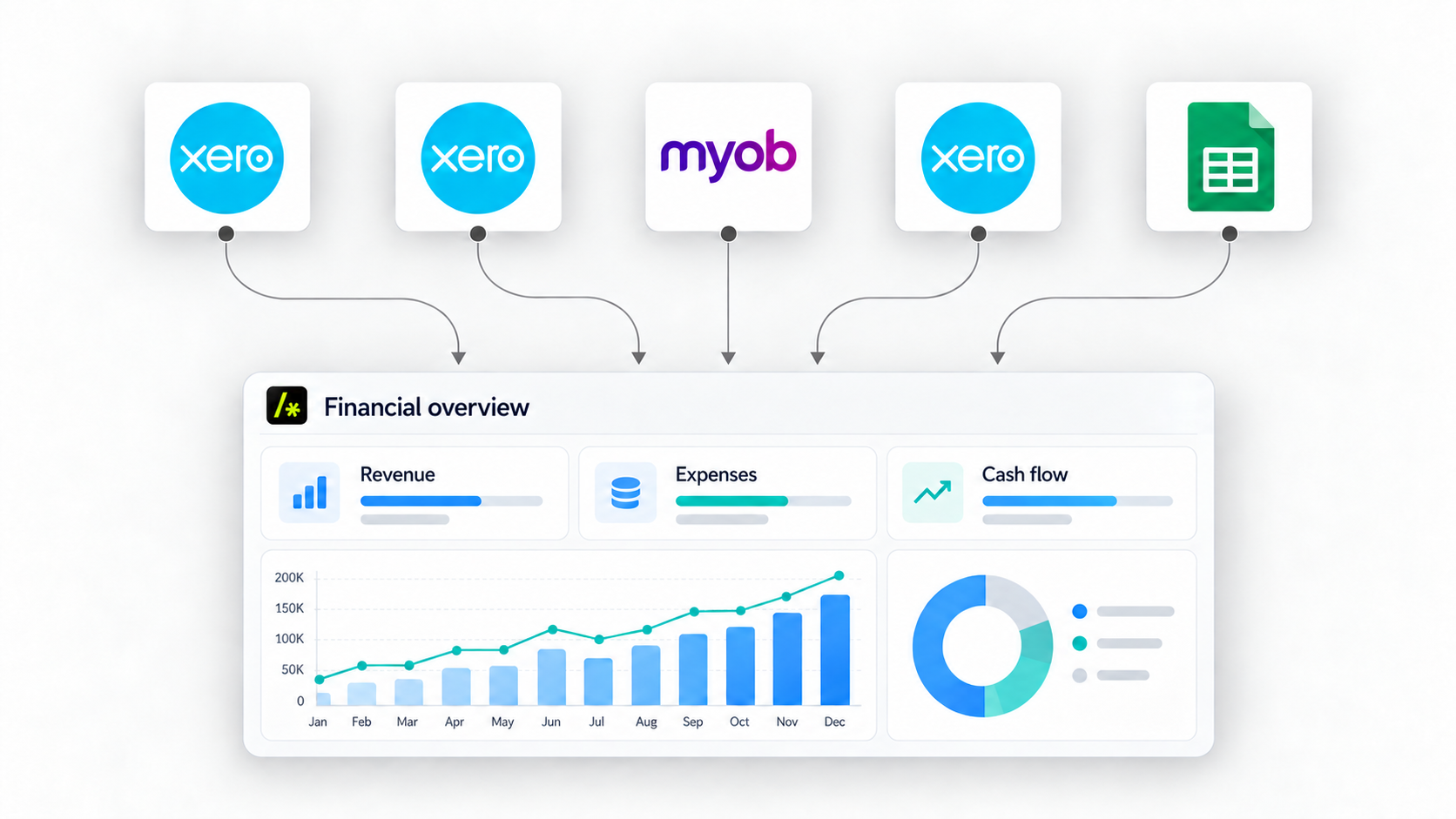
Reporting
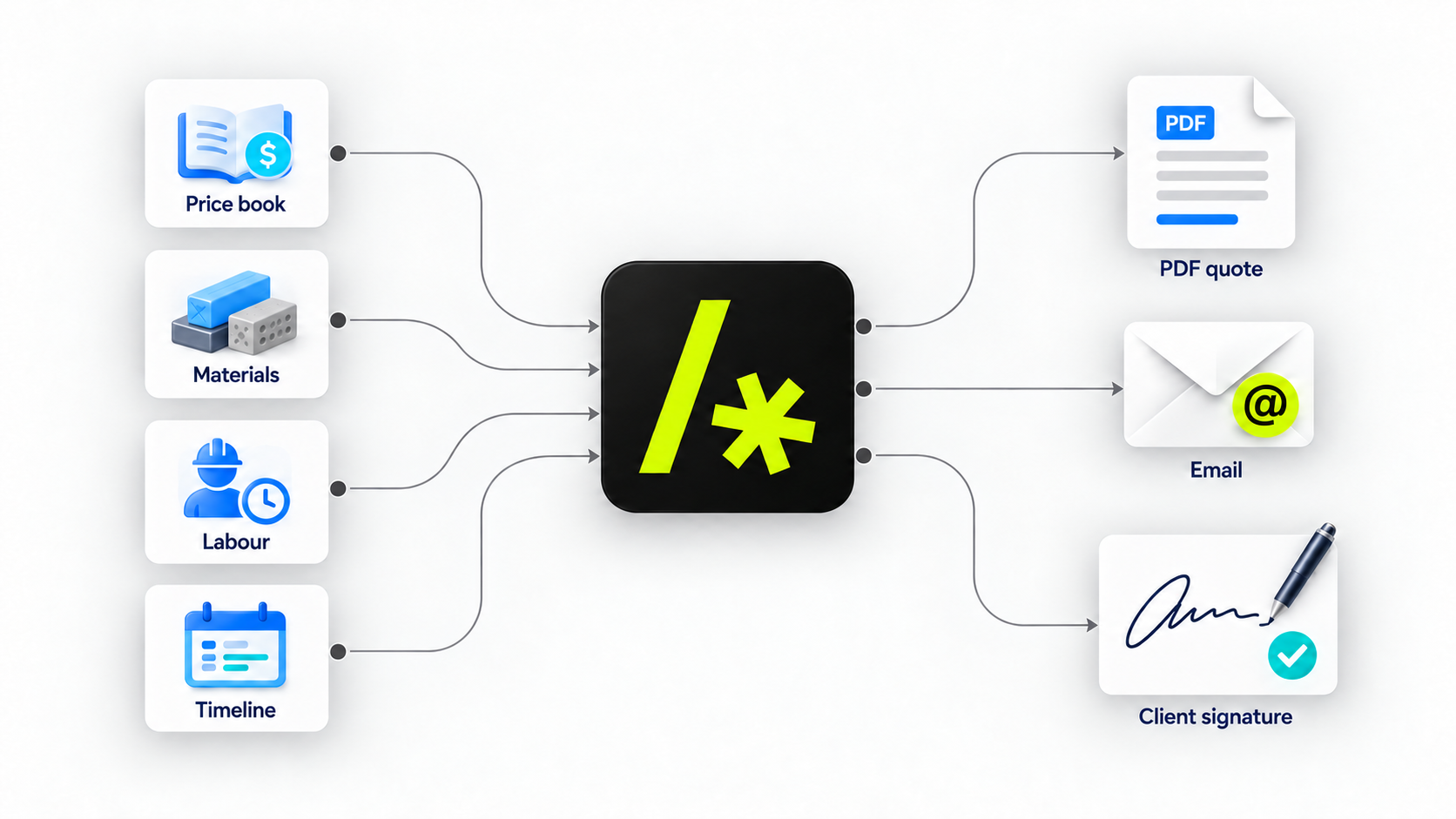
Quoting & Procurement
Communication Portals
Internal documentation
Own Your Solution from Start to Finish
The beauty of building a custom control centre is that you don’t have to start with everything… you can start with something as basic as CRM + Tasks, then, once that’s working smoothly integrated time logs and automated billing, then move to reporting or whatever your business needs.
With a custom business control centre, the direction is yours to define. The ability to tackle the most important problems facing your business is yours. And the beauty is, when you change direction or add another component, you don’t add another system, you simply add another part to your existing control centre. No extra logins, no extra licensing, no extra headspace clouded by more software.
How We Work
Step 1: Discovery
When building a custom control centre, the foundational step is always discovery. In this stage, one of our experienced consultants works alongside your leadership team to understand your current pain points, system landscape, and key opportunities for improvement.
Once we have a clear picture of your environment, we present a range of tailored options for the initial phase, complete with fixed pricing for each component. Whether you choose to start small with a single feature or replace multiple legacy systems at once, the choice is entirely yours.
Step 2: Build
After agreeing on the scope, our team builds and configures your custom control centre, focussing on intuitive design, robust data structures and best practice approaches to ensure you get the most out of your system.
During this phase, we work to the requirements, while drawing on our experience in building control centres to create the best-fit system possible.
Step 3: Deployment & Implementation
During implementation, we provide training, onboarding, and documentation to drive smooth adoption and help your team maximise value immediately.
Should any initial adjustments or refinements be needed, our team resolves them promptly to keep your business moving without interruption.
From there, we’ll be your trusted background partners - hosting your system and proactively monitoring operations to prevent downtime or disruptions. Based in Brisbane, we’re always just a phone call away whenever you want to refine your systems or add new features. Once teams experience the power of a custom system built specifically for them, they naturally discover even more ways to centralise and automate their operations.