Farming
Connecting farm planning, operations and financial performance
The Problem
Complex Operations, Fragmented Financials
Farming businesses have to make financial and operational decisions across a large number of moving parts.
Each farm has multiple paddocks, which can all have their own crop cycles, inputs, labour, chemicals, machinery costs, expected yield and revenues. Those numbers then need to roll up to the farm level, where overheads come into play, and often again to a broader farm group or ownership structure.
The difficulty is that this information is rarely managed in one place. Budgets may live in spreadsheets, crop plans somewhere else, supplier pricing in separate files, and actual financial results in the accounting system.
That makes it difficult to answer what should be relatively simple questions: What is this paddock expected to cost? How is it performing against budget? What is the expected margin on this crop cycle? What does profitability look like across the whole farm? And how does that change when you look across the entire group?
It also makes forward planning difficult. Input prices change, supplier lists are updated, crop cycles shift and assumptions need to be adjusted. Without a connected system, producing an accurate forecast can become just as difficult as understanding historical performance.
The result is a lot of manual work bringing information together, limited visibility across the business, and financial reporting that can be difficult to produce consistently for management, owners, lenders and banks.
Our Solution
Custom Systems to Suit Your Farming Group Structure
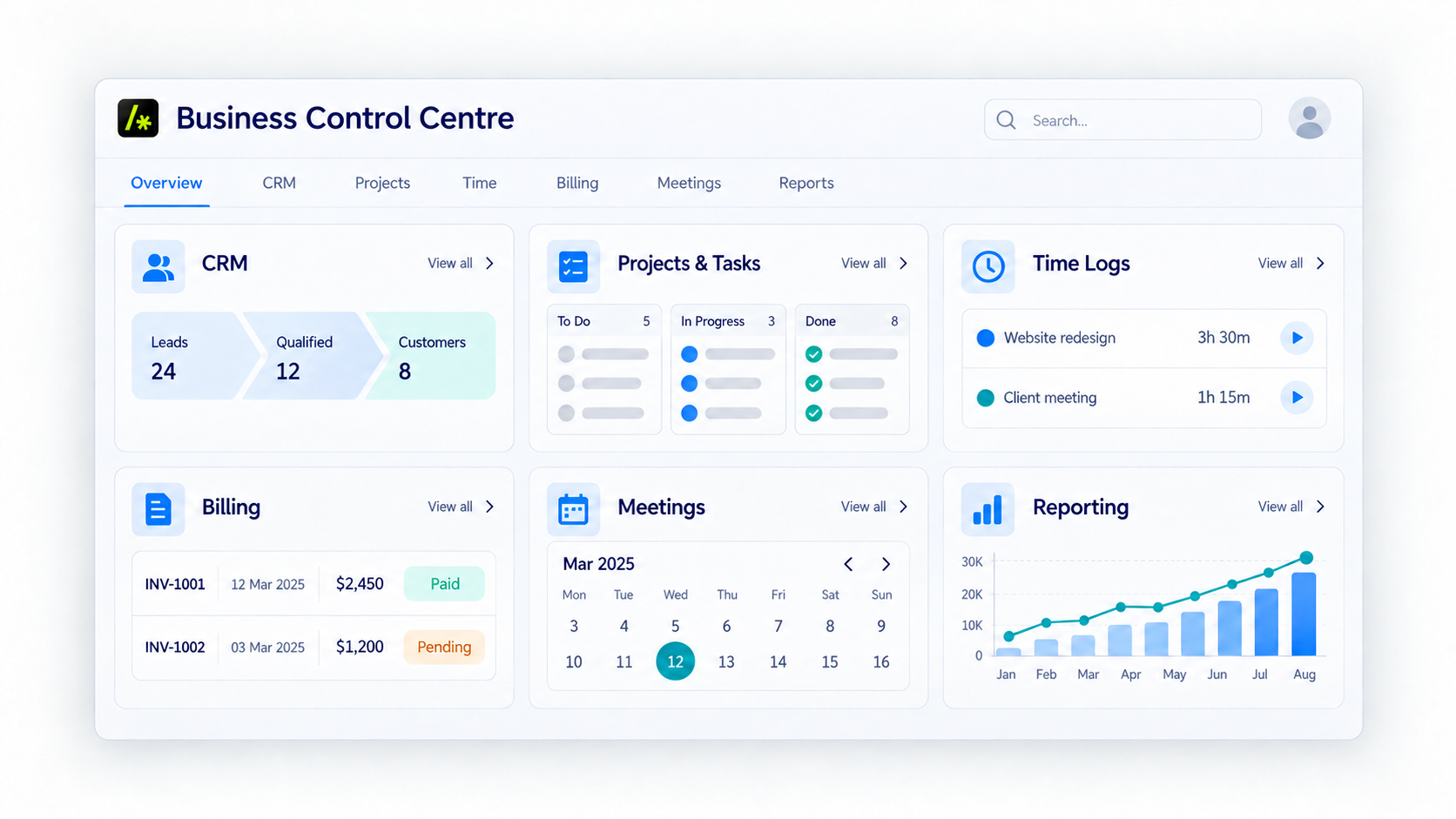
Our solution is to build custom farm management systems that bring operational planning and financial reporting together in one place.
At the centre of the system is a budget matrix that allows farm managers to see every paddock, the costs assigned to it, expected and actual revenue, and the resulting financial performance. That information can then be rolled up through the business, from individual paddocks to whole farms and farm groups, including overheads that sit at those higher levels.
This creates a consistent financial view at every level of the operation. Managers can drill into the detail of an individual paddock, review performance across a farm, or produce consolidated reporting across the entire group.
The systems we build also support forward planning. Reusable crop-cycle templates can be created with the expected activities, inputs and costs required for a particular crop, and then scheduled against individual paddocks. This makes it possible to build forecasts from the operational plan itself, rather than maintaining a completely separate budgeting process.
To keep those forecasts accurate, the platform can manage central price books for chemicals, fertiliser and other inputs. Supplier price lists can be uploaded directly into the system, with AI used to read, structure and classify the information before updating the relevant pricing and product data.
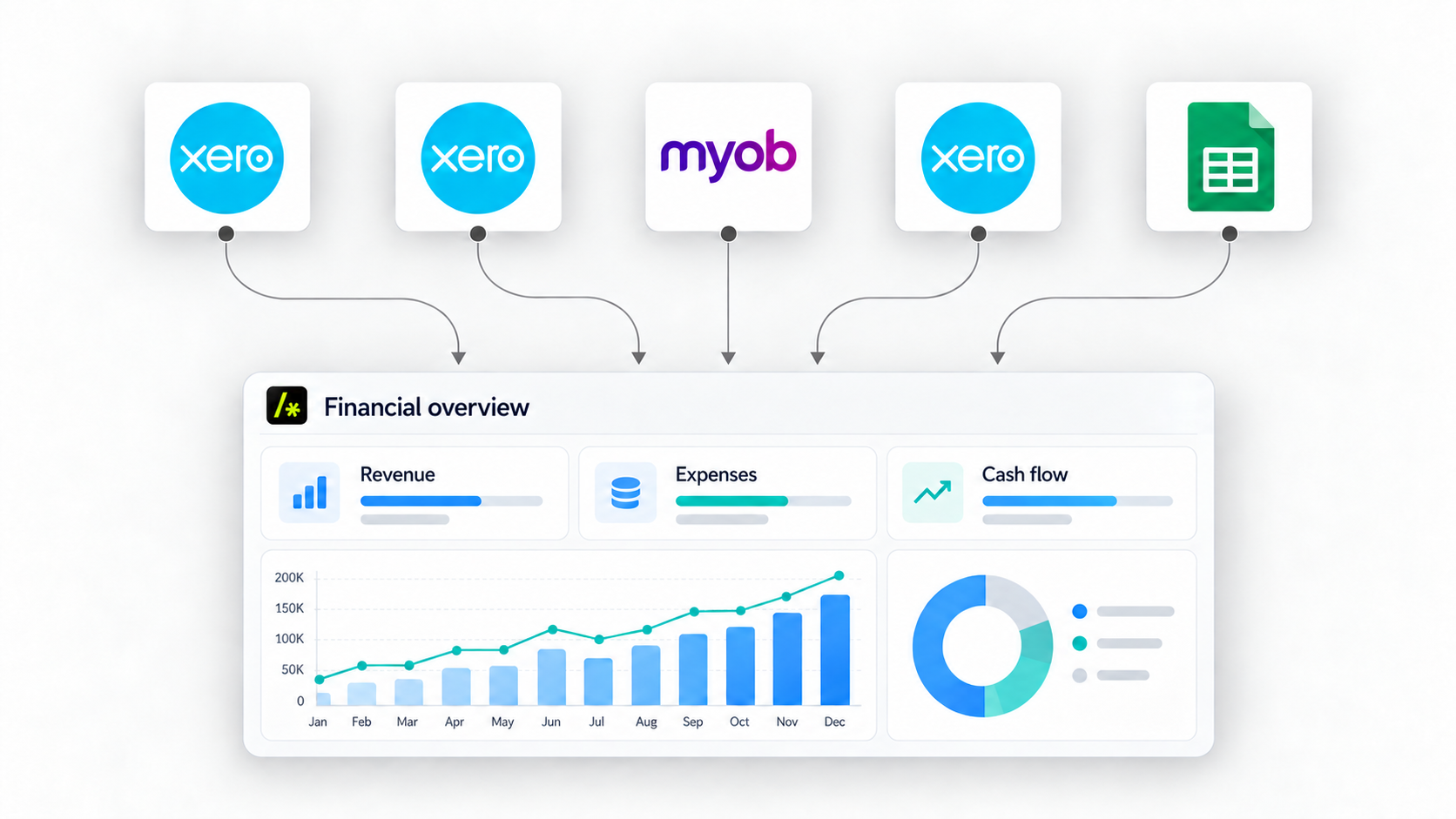
The result is one connected view of where the farming business has been and where it is heading. Historical performance, current operations and future plans can all be reported from the same underlying system, providing useful information internally while also making it much easier to produce clear financial reporting for lenders, banks and other external stakeholders.
How We Work
Step 1: Audit & Structural Discovery
We start by understanding how the farming business is structured and how financial and operational planning works today.
That includes reviewing the farm and paddock structure, crop cycles, budgeting processes, cost allocation, overheads, supplier pricing, revenue assumptions, accounting data and the reports currently produced for management and external stakeholders.
This step is important because every farming operation is structured differently. Costs may need to be attributed at paddock, farm or group level, while different crops and operating models can require completely different planning assumptions.
From there, we define how the information should flow through the system, what data needs to be integrated, and how reporting should work at each level of the business.
Step 2: Custom Architecture & Automation Build
Once the structure is understood, we build the system around the way the farming business actually operates.
This can include paddock-level budgeting, crop-cycle templates, scheduling, cost and revenue allocation, farm and group-level overheads, historical and forecast reporting, supplier price books and integrations with accounting or other operational systems.
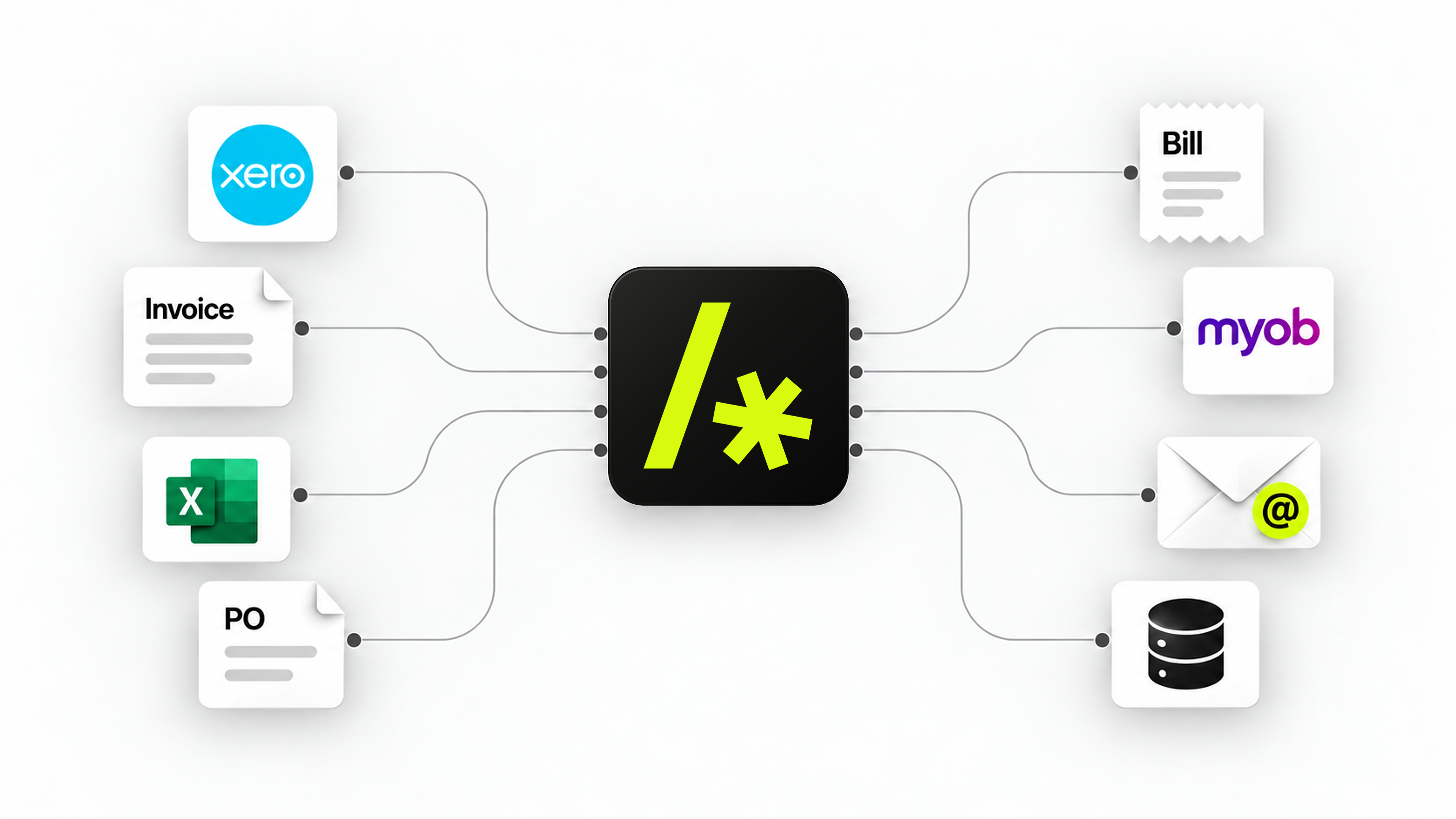
Where supplier pricing is involved, we can also automate the ingestion of price lists. Files can be uploaded into the platform and processed using AI to identify products, pricing, chemical classifications and other relevant information before updating the system.
Throughout the build, we use real farm data and real operational scenarios so the system reflects the way decisions are actually made on the ground.
Step 3: Deployment, Validation & Handover
Before deployment, we validate the system against existing budgets, financial results and operational plans to make sure costs, revenue, allocations and roll-ups are working correctly at every level.
We also test the reports that will be used by farm managers, owners and external stakeholders to make sure the information can be viewed and presented in the way each audience needs.
Once everything is ready, we deploy the system into the business, help users transition to the new process, and provide the documentation and handover required for ongoing use.
The end result is a purpose-built system that connects farm planning with financial performance, giving the business a clearer view of both historical results and what is coming next.